How to Evaluate a Stock for Beginners Using Basic Financial Metrics

When you buy a stock, you are not simply purchasing a flashing ticker symbol on a screen; you are buying a fractional piece of a real, operating business. For a beginner, looking at a company’s financial data can feel intimidating. Balance sheets, income statements, and cash flow reports are often packed with complex accounting jargon.

Fortunately, you do not need an MBA in finance to evaluate a stock effectively. By stripping away the noise and focusing on a core handful of financial metrics, you can quickly assess whether a company is financially sound, profitable, and reasonably priced. This guide breaks down fundamental analysis into a clear, step-by-step framework using basic financial metrics.

Part 1: The Core Financial Statements

Before looking at specific ratios, it helps to know where the data comes from. Every publicly traded company publishes financial reports categorized into what investors call the “Holy Trinity” of financial reporting:…
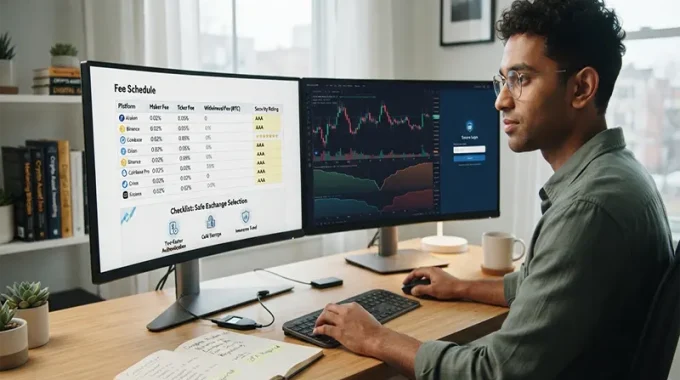
How to Choose a Low-Fee Crypto Trading Platform Safely

The search for low fees is a rite of passage for every cryptocurrency trader. When transaction costs, deposit charges, and hidden margins eat away at your capital, profitability shrinks fast. Platforms aggressively market “zero-fee” trading or rock-bottom commissions to lure users in, but in the digital asset ecosystem, shortcuts often come with hidden security trade-offs.

Balancing low trading costs with institutional-grade security is the ultimate test when picking a platform. This guide provides a safety-first framework for selecting a cost-effective crypto exchange without risking your portfolio.

Part 1: Deconstructing Crypto Exchange Fees

Before evaluating how safe a platform is, you must understand how exchanges actually make money. A low headline fee can easily be offset by unexpected costs elsewhere.

  • Maker vs. Taker Fees: Exchanges charge different rates depending on how orders interact with the order book. Makers add liquidity by placing limit orders that sit on the book, while Takers