Friends Café & Bistro: The Most Comfortable Café Experience in Ubud, Bali

When people think of Ubud, Bali, they often picture emerald rice fields, ancient temples, and a vibrant art scene. Yet, hidden within this cultural hub lies another gem worth exploring—Friends Café & Bistro, a modern café that blends comfort, culinary creativity, and high-end coffee culture. If you’re searching for the Best Cafe in Ubud, especially one that offers the rare luxury of an air-conditioned space, this spot should be at the top of your list.

Comfort Meets Style in Central Ubud

Many cafés in Ubud showcase rustic, open-air concepts designed to embrace Bali’s natural beauty. While that’s charming, sometimes the tropical climate can be overwhelming—especially for visitors who just want a cool, calm place to relax. That’s where Friends Café & Bistro sets itself apart.

Inside, guests are welcomed into a fully air-conditioned room, offering a refreshing escape from Bali’s humidity. It’s the perfect answer for travelers who specifically …
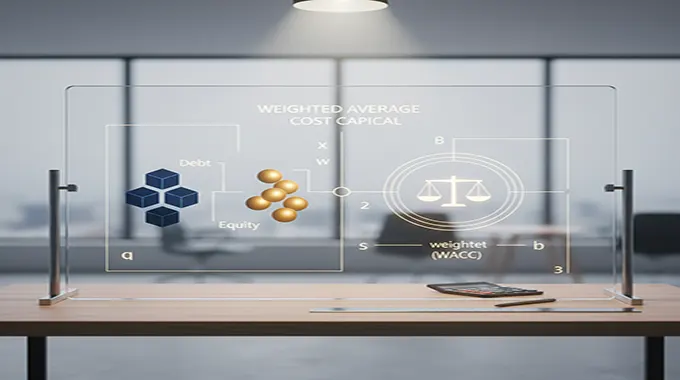

How to Calculate the Weighted Average Cost of Capital (WACC)

The Weighted Average Cost of Capital (WACC) is a crucial metric in corporate finance, representing the average rate of return a company is expected to pay to all its different security holders (both debt and equity) to finance its assets. It is most frequently used as the discount rate in a Discounted Cash Flow (DCF) valuation model to determine a company’s intrinsic value.

A lower WACC is generally favorable, as it indicates lower financing costs and suggests the company can create value more easily.

The WACC Formula

WACC is a weighted average that combines the costs of a company’s different sources of capital—primarily equity and debt—based on their proportion in the company’s capital structure.

The standard formula for WACC, considering only debt and common equity, is:

$$WACC = \left( \frac{E}{V} \times r_e \right) + \left( \frac{D}{V} \times r_d \times (1-T_c) \right)$$

Where:

VariableDescription
$\frac{E}{V}$Weight of Equity: The proportion

Stock Up Smart: Finding the Best Low-Interest Small Business Loans for Inventory Financing

For retail and e-commerce businesses, inventory is lifeblood. Securing the necessary stock without crippling cash flow requires smart, low-interest financing. While countless options exist, three primary types stand out for cost-effectiveness and suitability for purchasing goods.

1. 🥇 SBA Loans: The Gold Standard

The SBA 7(a) loan program, backed by the U.S. Small Business Administration, is generally the most cost-effective solution.

  • Low Interest Rates: Interest rates are capped and typically offer the lowest Annual Percentage Rate (APR) compared to all other small business loans, often tied to the prime rate.
  • Long Terms: Repayment terms can extend for many years, significantly lowering monthly payments and improving cash flow.

The major drawback, however, is the application process. It is notoriously slow, often taking months, and requires strict eligibility—including strong personal credit, business collateral, and detailed financial documentation. This is not a viable option for urgent or seasonal inventory …